

Section
Giuseppe Quaranta
-
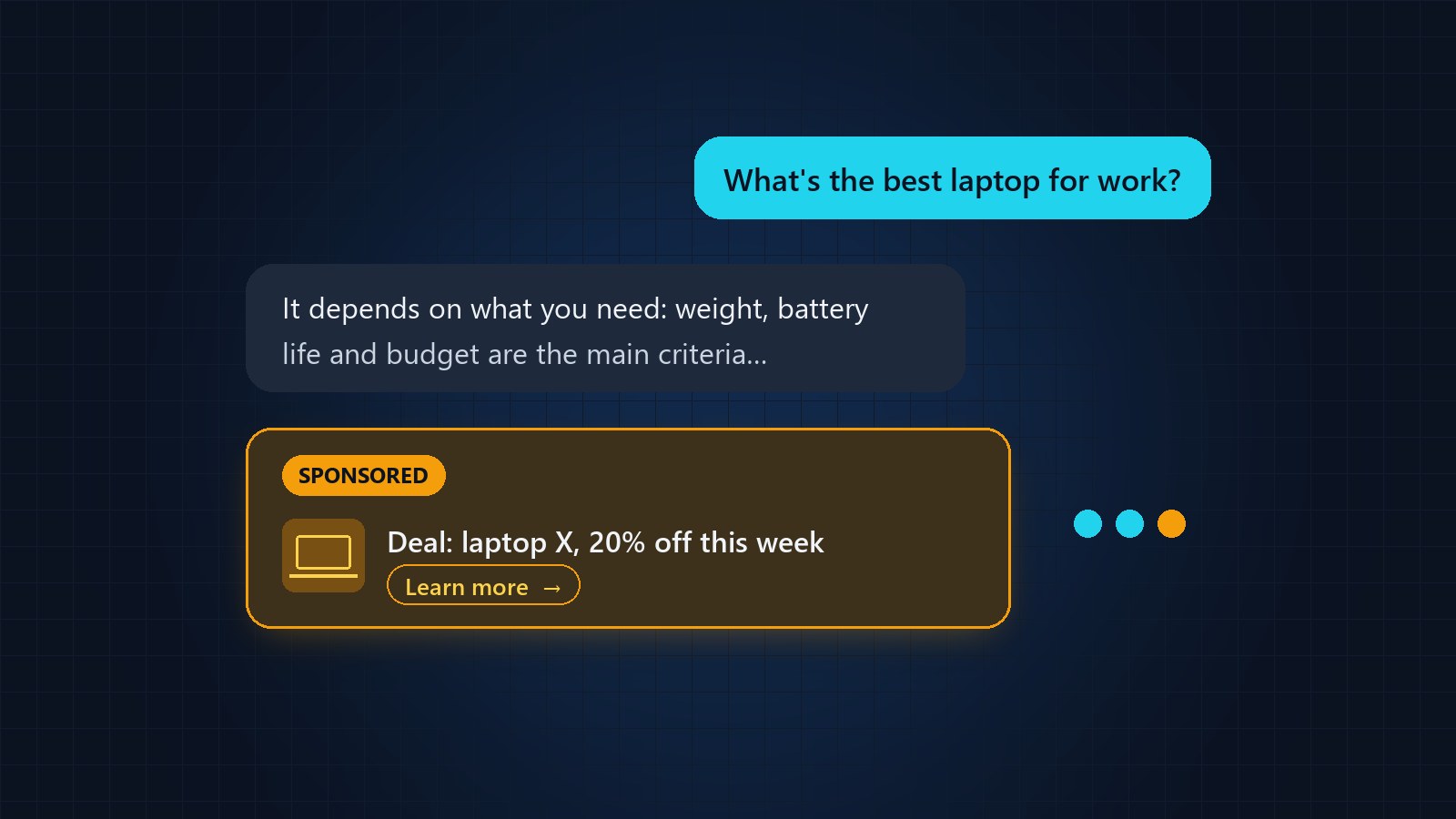
Ads come to AI chatbots: what changes for users and businesses
Since August, ChatGPT ads have reached Italy and the rest of Europe, and Google is taking AI Mode ads worldwide. How they…
-

RAG in 3 minutes: why giving documents to a chatbot doesn’t mean training it
RAG explained quickly: how an AI assistant uses company documents without necessarily training the model on that content.
-

Is AI the new influencer? Virtual avatars, digital twins and chatbots that tell us what to buy
Virtual influencers, creators who clone themselves and AI assistants that choose for us which product to buy. Influence is shifting toward machines:…
-

How much energy does AI consume? Numbers, costs and what companies can do
Data centers could more than double their electricity consumption by 2030, driven by AI. What the numbers say, how much a single…
-

Microsoft Fabric or Databricks? Strengths, differences and how to choose
Fabric and Databricks are not just competitors: more and more often they coexist. Here are the strengths of each platform, how they…
-

Ontologies for AI: Databricks and Microsoft Fabric rediscover data semantics
Databricks with Genie Ontology and Microsoft with the Fabric IQ ontology are betting on the same concept: giving AI agents a shared…
-
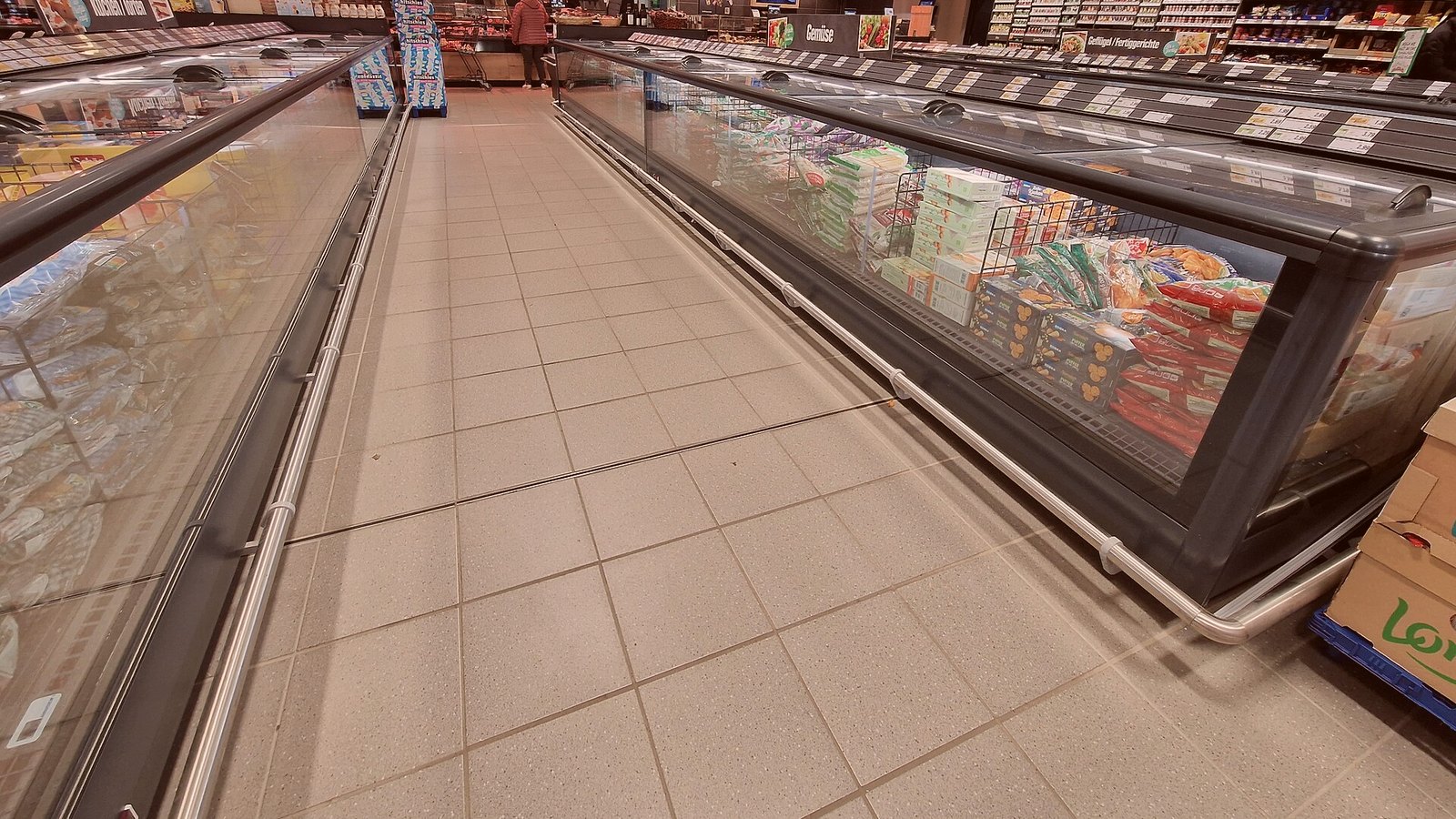
Fridges at 50 degrees: what November’s attacks on poorly protected smart devices teach us
After supermarket fridges were tampered with in France and across half of Europe, one question concerns us all: who is accountable for…
-

Deepfakes and AI labels: what the AI Act and Italian law require
Since August 2026, AI-generated content must be marked and deepfakes disclosed. In Italy, spreading them to harm someone is a criminal offense.…
-
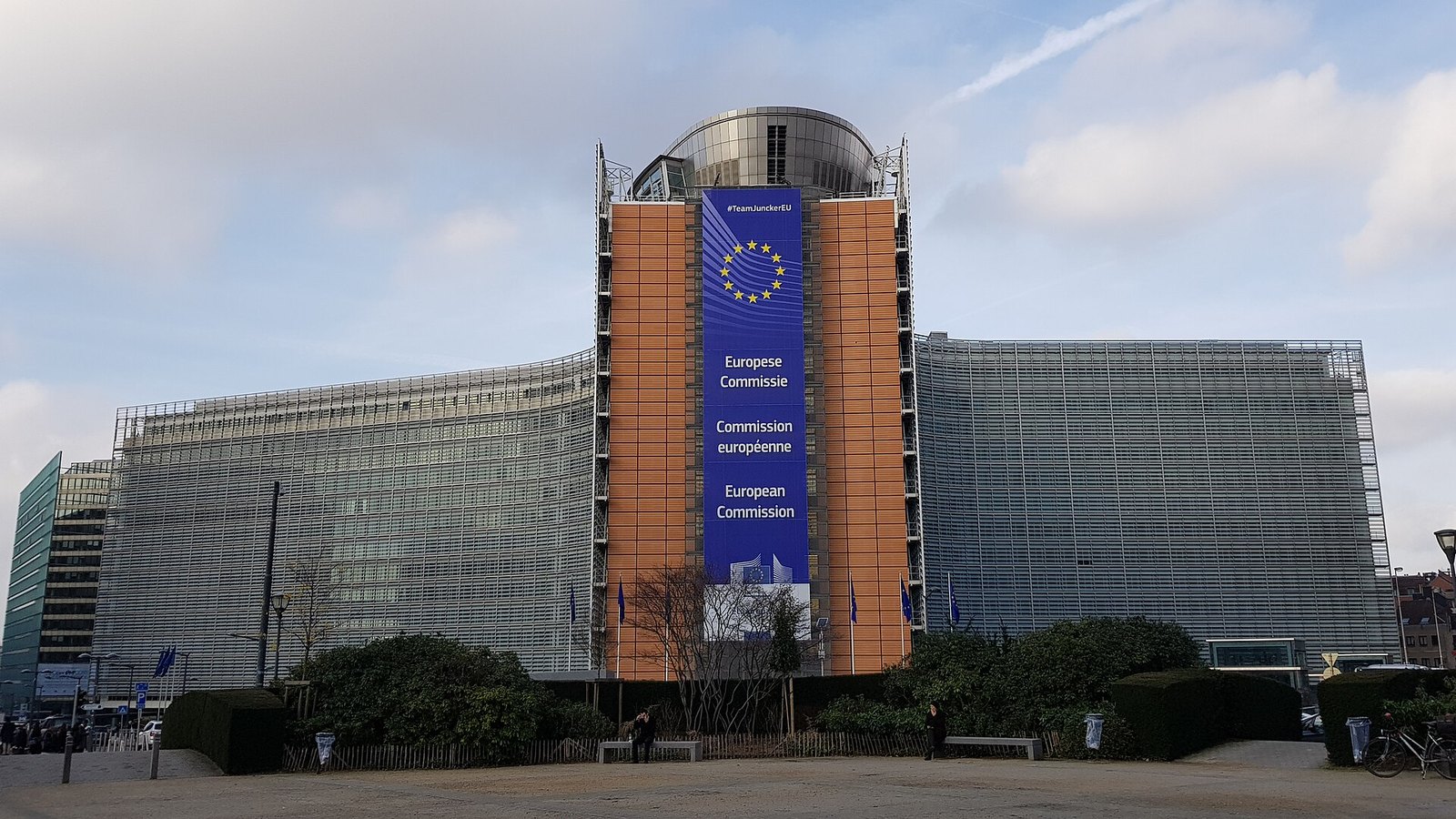
Digital Omnibus: what has already changed in the AI Act and what could change in the GDPR
The Digital Omnibus on AI is already law and shifts the AI Act deadlines. The one on data and the GDPR is…
-

Lakehouse, Data Fabric and Data Mesh: what is left after the hype?
Lakehouse, Data Fabric and Data Mesh are not necessarily alternatives. Here is what remains genuinely useful from these paradigms in modern data…