

In brief
- Already law: the Omnibus on AI is Regulation (EU) 2026/1744, in force since 27 July 2026. The obligations for high-risk AI systems are pushed back to 2 December 2027 and 2 August 2028.
- Under discussion: the Omnibus on data and the GDPR is still being examined by the European Parliament. It touches the definition of personal data, legitimate interest for AI, cookies and data breaches.
- For companies: more time under the AI Act does not mean everything can be postponed. Some obligations already apply.
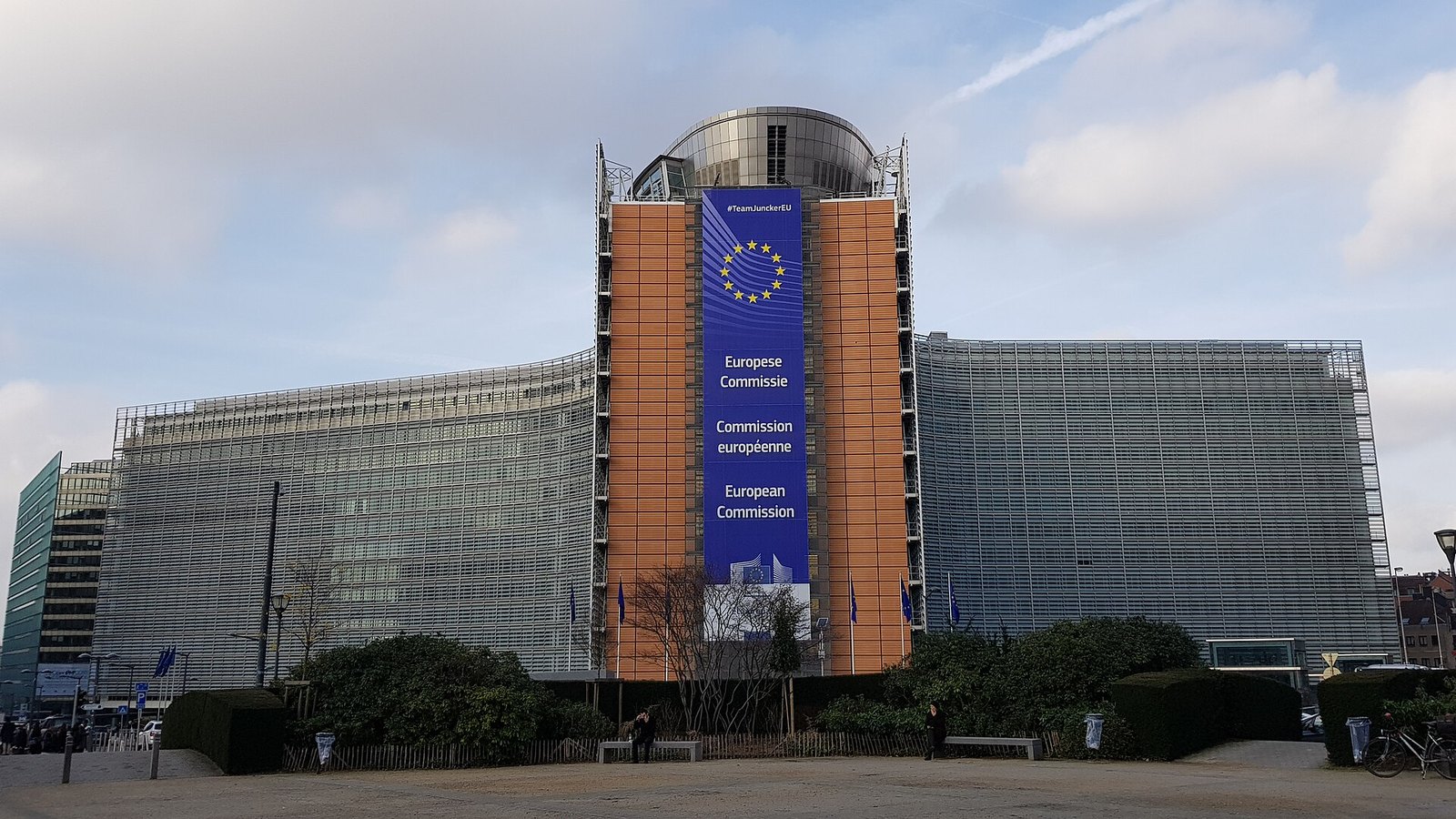
On 19 November 2025 the European Commission presented the Digital Omnibus, a package to simplify the EU’s digital rules. In fact there were two proposals, with very different fates: one on artificial intelligence, approved within a few months, and one on data, the GDPR, ePrivacy and the Data Act, still under discussion and highly contested. It is worth keeping them apart.
The Omnibus on AI: an eight-month sprint
By European standards, the process was extremely fast. Parliament and Council reached agreement on 7 May 2026, the final plenary vote came on 16 June (423 in favor, 57 against, 174 abstentions), and publication in the Official Journal followed on 24 July.
The new AI Act deadlines
The Commission had proposed linking the application of the rules on high-risk systems to the availability of harmonized technical standards. The final text opted instead for fixed dates, which are easier to plan around:
Other important changes:
- Ban on “nudification” apps. At Parliament’s urging, from 2 December 2026 systems that generate non-consensual intimate or sexual content or child sexual abuse material are prohibited.
- AI literacy softened. Article 4 remains an obligation for providers and deployers, who must take measures to support AI literacy. But the text now clarifies that no specific level of competence has to be guaranteed, and the Commission and Member States must help, especially SMEs.
- Simplifications for smaller companies. Simplified documentation is extended to medium-sized enterprises and so-called small mid-caps.
- Sensitive data to correct bias. Processing it is permitted, but only where strictly necessary.
- Machinery. AI embedded in machinery leaves the AI Act’s direct high-risk regime and is handled through the Machinery Regulation.
The Omnibus on data and the GDPR: still an open game
The second proposal (procedure 2025/0360(COD)) is still before the European Parliament’s ITRE and LIBE committees: the draft report dates from June 2026 and there has been no plenary vote yet. Here the changes go to the heart of the GDPR, which is why the debate is so heated.
The sticking point: the definition of personal data
This is the most sensitive change. Under the proposal, a piece of information would not necessarily be personal data for everyone merely because another party is able to identify the person. In practice, pseudonymized data could fall outside the scope of the GDPR for anyone who does not hold the key to re-identify it. The European Data Protection Board (EDPB) and the European Data Protection Supervisor (EDPS) have strongly urged lawmakers not to adopt this change.
The criticism
The noyb association, founded by Max Schrems, called the proposal “the biggest attack on Europeans’ digital rights in years”. The criticism concerns the subjective definition of personal data, the training of models on social network data, the limits on the right of access and the choice of a fast-track procedure without an impact assessment. On the other side, many companies have long been calling for simpler, more predictable rules, especially on cookies and breach notifications.
What to do now
- Update your AI Act plan: the high-risk deadlines are further away, but transparency (Article 50), prohibitions and AI literacy already apply or will within a few weeks.
- Do not anticipate a GDPR that does not yet exist: until the reform is approved, the current rules apply, including those on cookies and the 72-hour data breach notification.
- Use the time gained: inventory your AI systems, classify their risk, document them. Those who reach 2027 prepared will have an advantage, not just one less compliance task.
The compass
Simplifying does not necessarily mean weakening, but the line is a fine one. On AI, Europe has chosen to give more time; on the GDPR, it has yet to decide how much data protection it is willing to trade for competitiveness.
This article is for informational purposes only and does not constitute legal advice. Information current as of November 2026.
Sources
- European Parliament, Legislative Train: Digital Omnibus on AI
- European Parliament: simplification measures and nudifier app ban approved (June 2026)
- AI Act Service Desk: consolidated Article 113
- AI Act Service Desk: Article 4 (AI literacy)
- Legislative Observatory: procedure 2025/0360(COD)
- EDPB-EDPS: Joint Opinion 2/2026 on the Digital Omnibus
- noyb: position on the Digital Omnibus


Leave a Reply